
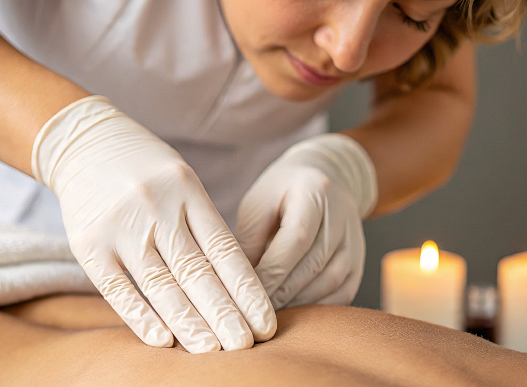
In the fast-paced world we live in, relaxation is no longer a luxury—it is a necessity. Between demanding jobs, household responsibilities, and the constant influx of information from technology, the human body and mind are under constant pressure. 인천출장마사지 This persistent stress manifests as muscle tension, fatigue, headaches, sleep disturbances, and overall discomfort. While various relaxation techniques such as meditation, yoga, or deep breathing are popular, massage therapy has proven to be one of the most effective methods for achieving deep and lasting body relaxation. Its benefits extend far beyond temporary relief, providing both physical and psychological support that fosters holistic well-being.
Understanding Body Relaxation
Body relaxation is a state where muscles, joints, and connective tissues are free from tension, the nervous system is calm, and the body operates efficiently. Relaxation also includes mental calmness, emotional balance, and the absence of anxiety or stress-induced discomfort. In today’s world, factors like sedentary lifestyles, repetitive movements, long hours at a desk, and stress can prevent the body from achieving this natural state of ease. Massage therapy works directly on the body to remove physical blockages and simultaneously signals the nervous system to promote mental relaxation, creating a comprehensive sense of well-being.
The Physical Benefits of Massage for Relaxation
- Alleviation of Muscle Tension
Muscle tension is one of the most common physical symptoms of stress. It can lead to stiffness, pain, and restricted movement. Massage therapy uses techniques such as kneading, rubbing, and stretching to release knots, lengthen tight muscle fibers, and relax the fascia that surrounds muscles. This release of tension not only reduces discomfort but also improves posture, enhances flexibility, and allows the body to move more freely, contributing to overall relaxation. - Improved Circulation
Relaxation is closely tied to healthy blood flow. Massage stimulates circulation by mechanically moving blood through the muscles and tissues. This increased circulation delivers oxygen and essential nutrients while removing metabolic waste, such as lactic acid, which accumulates during stress or exercise. Improved circulation reduces muscle soreness, promotes healing, and ensures that the body feels lighter, less fatigued, and more relaxed. - Joint Flexibility and Mobility
Stiff joints and restricted range of motion can prevent the body from achieving full relaxation. Massage therapy improves flexibility by releasing tension in the muscles around the joints and enhancing movement efficiency. This not only makes daily activities more comfortable but also helps prevent injuries and chronic discomfort, contributing to long-term body ease. - Stimulation of the Lymphatic System
The lymphatic system is responsible for removing waste and toxins from the body. Massage promotes lymphatic drainage, which reduces swelling, detoxifies tissues, and supports immune function. A well-functioning lymphatic system allows the body to maintain balance, reduce discomfort, and support overall relaxation.
Neurological Mechanisms Behind Relaxation
- Activation of the Parasympathetic Nervous System
Massage therapy directly affects the autonomic nervous system. While stress activates the sympathetic nervous system (the “fight or flight” response), massage stimulates the parasympathetic nervous system (the “rest and digest” mode). This shift reduces heart rate, lowers blood pressure, slows breathing, and promotes a state of calm throughout the body. - Pain Modulation
Massage triggers the body’s natural pain control mechanisms. By stimulating pressure receptors in the skin and muscles, it reduces the perception of pain and discomfort. This neurological effect enhances the sense of relaxation, allowing the body to release tension more effectively and enter a state of physical ease. - Reduction of Stress Hormones
Massage reduces cortisol, a key stress hormone, while promoting the release of endorphins, serotonin, and dopamine. This biochemical shift not only improves mood but also decreases muscle tension and promotes deeper relaxation.
Psychological Benefits of Massage Therapy
Physical relaxation is closely linked to mental and emotional well-being. Massage provides a calming environment that encourages mindfulness, self-awareness, and mental rest. By focusing on the sensations of touch and pressure, the mind temporarily disengages from stressful thoughts, worries, and distractions. This mental break is essential for emotional recovery and can lead to improved mood, enhanced focus, and greater resilience in dealing with daily challenges.
Types of Massage That Promote Relaxation
Different massage techniques offer varying levels of relaxation benefits:
- Swedish Massage: Gentle, flowing strokes that improve circulation and release surface muscle tension, ideal for stress relief and overall relaxation.
- Deep Tissue Massage: Targets deeper muscle layers to release chronic tension and enhance long-term comfort.
- Aromatherapy Massage: Combines essential oils with massage to create a soothing environment and amplify relaxation effects.
- Hot Stone Massage: Uses warmth to relax muscles and increase blood flow, promoting a sense of deep comfort.
- Shiatsu and Acupressure: Focuses on energy points to balance the body, reduce stress, and restore inner calm.
Long-Term Benefits of Regular Massage for Body Relaxation
- Consistent Muscle Ease
Regular massage prevents the accumulation of tension, maintaining muscles in a relaxed state and reducing chronic discomfort. 송도출장안마 This creates a more natural and lasting sense of body ease. - Enhanced Sleep Quality
Massage promotes relaxation that extends into nighttime, improving sleep quality and ensuring restorative rest. Quality sleep is crucial for overall physical and mental recovery. - Improved Emotional Resilience
Frequent massage supports emotional stability by reducing stress and promoting positive neurotransmitters. This resilience allows individuals to handle life’s pressures more calmly and effectively. - Better Energy and Vitality
By reducing physical and mental tension, massage frees up energy previously consumed by stress and discomfort. Individuals experience improved vitality, stamina, and a greater sense of well-being.
Incorporating Massage into a Relaxation Routine
Even with busy schedules, massage therapy can be integrated effectively:
- Weekly or Bi-Weekly Sessions: Maintaining a consistent schedule ensures ongoing relaxation and tension management.
- Short Targeted Sessions: Chair massages or focused treatments for neck, shoulders, and back can be effective in 15–30 minutes.
- Complementary Practices: Combining massage with gentle stretching, yoga, or meditation enhances overall relaxation benefits.
- Creating a Relaxing Environment: Using soft lighting, calming music, and aromatherapy during massage enhances the sensory experience and promotes deeper relaxation.
Practical Tips for Maximum Relaxation Benefits
- Communicate with the Therapist – Specify areas of tension or preferred pressure to ensure a comfortable experience.
- Hydrate Before and After – Proper hydration aids circulation and helps flush out toxins released during massage.
- Focus on Breathing – Deep, steady breathing during massage enhances relaxation and nervous system balance.
- Allow Time to Rest Afterward – Giving yourself a few minutes to unwind post-massage prolongs the relaxation effects.
Conclusion
Massage therapy is a vital tool for achieving and maintaining deep body relaxation. By addressing physical tension, enhancing circulation, supporting joint mobility, and influencing the nervous system, massage provides comprehensive benefits that go beyond temporary comfort. Additionally, its positive impact on mental and emotional well-being ensures that individuals can achieve holistic relaxation that improves quality of life.
Regular massage sessions foster long-term muscle ease, improved sleep, emotional resilience, and increased vitality. For anyone seeking to counteract the pressures of daily life, maintain physical comfort, and achieve mental calmness, massage therapy is not just a luxury—it is an essential practice for sustained relaxation and overall wellness. By incorporating massage into a regular self-care routine, individuals can create a balanced state of mind and body, ensuring they feel lighter, more comfortable, and fully rejuvenated in their daily lives.