
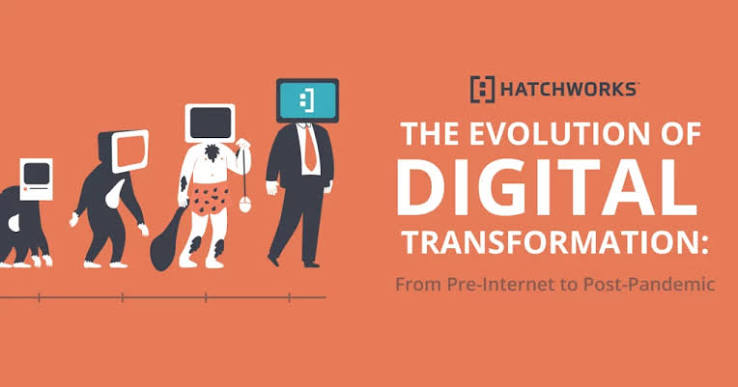
The rapid growth of digital platforms has transformed the way people communicate, shop, work, and entertain themselves. From social networking sites to online marketplaces and cloud-based business solutions, digital platforms have become the backbone of the modern digital economy. Businesses of all sizes rely on these platforms to reach wider audiences, streamline operations, and create innovative customer experiences. As technology continues to evolve, platforms are becoming more intelligent, interconnected, and user-centric. Many online communities and entertainment platforms have also emerged, including qqmacan slot demonstrating how digital ecosystems cater to diverse user interests while leveraging modern web technologies.
Understanding Digital Platforms
A digital platform is an online infrastructure that facilitates interactions between users, businesses, developers, and service providers. Unlike traditional software, digital platforms create value by connecting multiple participants within a shared ecosystem. Examples include e-commerce websites, social media platforms, video streaming services, cloud computing environments, and mobile application marketplaces.
These platforms operate by enabling seamless communication, data sharing, and transactions. Their success often depends on network effects, where the value of the platform increases as more users join and participate.
The Early Development of Digital Platforms
The concept of digital platforms began with the emergence of the internet during the 1990s. Early websites primarily served as sources of information with limited interactivity. Businesses established online presences through static websites that offered company information, contact details, and basic product catalogs.
As internet speeds improved and web technologies advanced, interactive features such as online shopping carts, discussion forums, and user-generated content became increasingly popular. These developments laid the groundwork for today’s highly sophisticated digital ecosystems.
The Rise of Social Media
One of the most significant milestones in the evolution of digital platforms has been the emergence of social media. Platforms that initially focused on connecting friends gradually evolved into comprehensive communication hubs supporting multimedia sharing, live streaming, business marketing, and digital commerce.
Today, social media platforms influence consumer behavior, shape public opinion, and provide businesses with powerful marketing tools. Brands use advanced analytics, targeted advertising, and influencer collaborations to engage customers more effectively than ever before.
E-Commerce Revolution
Digital commerce has dramatically reshaped global retail. Online marketplaces provide consumers with access to millions of products while allowing businesses to reach international markets without maintaining physical storefronts.
Modern e-commerce platforms integrate secure payment systems, logistics tracking, customer reviews, personalized recommendations, and artificial intelligence-driven search capabilities. These features enhance convenience and improve customer satisfaction while helping businesses optimize sales performance.
Cloud Computing as a Foundation
Cloud computing has become one of the most important technologies supporting digital platforms. Instead of relying solely on local infrastructure, organizations can access scalable computing resources through cloud providers.
Cloud technology offers several advantages:
- Flexible scalability
- Reduced operational costs
- Improved collaboration
- Enhanced disaster recovery
- Faster software deployment
- Global accessibility
These benefits allow businesses to innovate rapidly while minimizing infrastructure investments.
Mobile Technology and Platform Expansion
The widespread adoption of smartphones has fundamentally changed digital platform usage. Mobile applications provide instant access to services, enabling users to interact with platforms anytime and anywhere.
Businesses increasingly prioritize mobile-first development strategies, ensuring that websites and applications deliver seamless experiences across different devices. Mobile payments, location-based services, biometric authentication, and push notifications have become standard features across many platforms.
Artificial Intelligence Integration
Artificial intelligence has significantly enhanced the capabilities of modern digital platforms. AI-powered algorithms analyze user behavior, automate repetitive tasks, and provide personalized experiences.
Common AI applications include:
- Product recommendations
- Customer support chatbots
- Voice assistants
- Fraud detection
- Predictive analytics
- Image recognition
- Content moderation
These technologies improve operational efficiency while delivering more relevant services to users.
The Role of Big Data
Digital platforms generate enormous amounts of data every day. Businesses analyze this information to understand customer preferences, identify market trends, and optimize decision-making.
Big data analytics enables organizations to:
- Improve customer experiences
- Increase marketing effectiveness
- Forecast demand
- Detect operational inefficiencies
- Personalize user interactions
- Enhance product development
Responsible data management has become increasingly important as users expect greater transparency regarding how their information is collected and used.
Cybersecurity Challenges
As digital platforms continue expanding, cybersecurity has become a top priority. Organizations face growing threats from hackers, ransomware attacks, phishing campaigns, and data breaches.
To protect users and maintain trust, platforms invest heavily in:
- Multi-factor authentication
- Data encryption
- Continuous security monitoring
- Secure software development
- Regular vulnerability assessments
- Compliance with privacy regulations
Strong cybersecurity practices are essential for maintaining platform reliability and protecting sensitive information.
Platform Economy and Business Innovation
The platform economy has introduced entirely new business models. Instead of simply selling products, many companies now facilitate interactions between buyers and sellers, service providers and customers, or content creators and audiences.
Platform-based business models often benefit from:
- Lower operational costs
- Rapid scalability
- Global market access
- Diverse revenue streams
- Strong customer engagement
- Continuous innovation
This approach has enabled startups to compete with established enterprises while accelerating digital transformation across industries.
Digital Transformation Across Industries
Virtually every industry has experienced significant changes due to digital platforms.
Healthcare platforms enable telemedicine, electronic medical records, and remote patient monitoring.
Education platforms support virtual classrooms, online certifications, and personalized learning experiences.
Financial platforms provide digital banking, online investments, mobile payments, and automated financial management.
Manufacturing platforms utilize industrial Internet of Things technologies to monitor equipment, optimize production, and improve supply chain efficiency.
Entertainment platforms deliver streaming services, interactive gaming, and digital content distribution to global audiences.
User Experience as a Competitive Advantage
Modern digital platforms compete by delivering exceptional user experiences. Clean interfaces, intuitive navigation, fast loading speeds, and personalized content all contribute to higher customer satisfaction.
Organizations continuously gather user feedback to improve platform functionality. Accessibility features also ensure that digital services remain usable for individuals with diverse abilities and technological experience.
The Importance of APIs
Application Programming Interfaces (APIs) have become fundamental components of digital platforms. APIs enable different software systems to communicate efficiently, allowing businesses to integrate payment gateways, mapping services, authentication systems, analytics tools, and third-party applications.
Open APIs encourage innovation by allowing developers to build new services that extend platform functionality and improve customer experiences.
Sustainability and Responsible Innovation
As digital platforms grow, sustainability has become an increasingly important consideration. Technology companies are investing in energy-efficient data centers, renewable energy sources, and environmentally responsible infrastructure.
Responsible innovation also includes ethical artificial intelligence, transparent data governance, digital inclusion, and accessibility initiatives that ensure technology benefits broader communities.
Future Trends
The future of digital platforms will likely be shaped by several emerging technologies, including:
- Artificial intelligence advancements
- Edge computing
- 5G and future wireless networks
- Extended reality (XR)
- Blockchain integration
- Internet of Things expansion
- Quantum computing research
These innovations will create faster, smarter, and more secure digital ecosystems capable of supporting increasingly complex applications.
Conclusion
The evolution of modern digital platforms has fundamentally transformed the global economy and everyday life. From simple informational websites to intelligent, cloud-powered ecosystems, these platforms have become essential tools for communication, commerce, education, healthcare, and entertainment. Advances in artificial intelligence, cloud computing, mobile technology, and data analytics continue to drive innovation while creating new opportunities for businesses and consumers alike. As technology progresses, successful digital platforms will focus on security, user experience, sustainability, and continuous innovation to remain competitive in an increasingly connected world.