
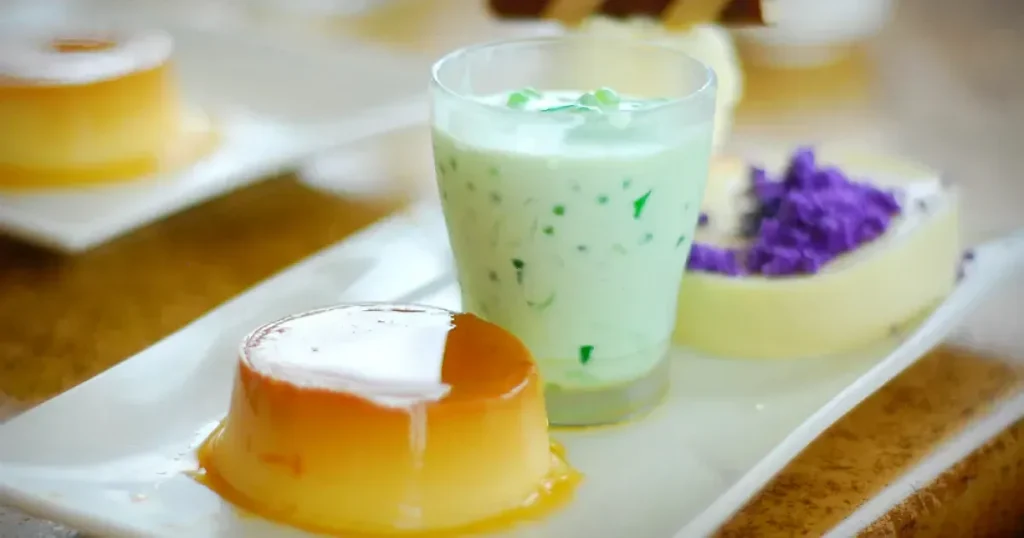
The Philippines is a country with a deep love for sweets. From vibrant fiestas to quiet Sunday afternoons, desserts are more than just after-meal treats—they’re symbols of joy, family, and togetherness.
In the world of Philippines Restaurants (필리핀 맛집), desserts occupy a special place, representing the country’s creativity, warmth, and knack for turning simple ingredients into extraordinary comfort food.
1) The sweet soul of Filipino culture
Filipinos love to celebrate, and every celebration has something sweet on the table. Whether it’s bibingka during Christmas, halo-halo in the summer, or leche flan for birthdays, desserts are the unspoken love language of the Filipino home.
Sweetness here isn’t just a flavor—it’s an emotion, tied to gratitude, hospitality, and joy.
2) Halo-halo: The king of Filipino desserts
No dessert captures the Filipino spirit better than halo-halo, which literally means “mix-mix.” It’s a vibrant combination of crushed ice, sweetened fruits, jellies, beans, flan, ube (purple yam), and ice cream—all stirred together in a colorful celebration of texture and taste.
Like the Philippines itself, halo-halo is diverse, surprising, and endlessly delightful.
3) Ube: The purple heart of Filipino sweets
Ube (purple yam) has become an international sensation, appearing in everything from cakes to milk tea. Its naturally sweet, earthy flavor and striking violet hue make it a favorite ingredient in 필리핀 맛집 bakeries and restaurants.
Popular ube-based treats include:
- Ube halaya: a creamy, velvety yam jam.
- Ube cake: a staple in local bakeshops.
- Ube ice cream: often the star of halo-halo.
Beyond its color, ube represents the Filipino knack for transforming humble roots into edible art.
4) Rice-based sweets: simple, comforting, and nostalgic
Rice isn’t just a staple—it’s the backbone of Filipino dessert culture.
- Bibingka: a soft rice cake baked in banana leaves, often enjoyed during Christmas season.
- Puto and Kutsinta: steamed rice cakes served as snacks or party favorites.
- Suman: sticky rice wrapped in banana leaves, often paired with sweet mangoes or coconut jam.
These desserts connect Filipinos to their ancestors, reminding them of simplicity, family, and home.
5) The Spanish influence: custards and confections
Centuries of Spanish colonization introduced rich, creamy desserts that Filipinos have made their own:
- Leche Flan: silky caramel custard served at every major celebration.
- Brazo de Mercedes: soft meringue roll filled with egg custard.
- Ensaymada: buttery brioche topped with cheese and sugar—perfect with coffee.
This blend of European indulgence and local creativity defines the sweet diversity of Filipino cuisine.
6) Modern Filipino desserts redefining tradition
Today’s chefs are reinventing classics with a contemporary twist.
Think:
- Ube cheesecakes served in mason jars,
- Mango graham ice cream sandwiches, and
- Halo-halo parfaits layered in elegant glasses.
Cafés and restaurants across Manila and Cebu are embracing these modern creations, drawing both locals and tourists who crave familiar comfort in fresh, Instagram-worthy form.
7) Dessert as an act of sharing
In Filipino culture, desserts are never eaten alone. Whether served at fiestas, birthdays, or office parties, sweet dishes are meant to be shared. Passing a plate of ube halaya or a slice of buko pie is a gesture of love and community.
That’s why the 필리핀 맛집 dessert experience always feels welcoming—every bite comes with generosity.
Final Thought
Filipino desserts are more than confections—they’re memories in edible form. From the creamy richness of leche flan to the playful chaos of halo-halo, every sweet dish tells a story of tradition, creativity, and togetherness.
In the Philippines Restaurants (필리핀 맛집) scene, sweetness is more than taste—it’s the flavor of home.