
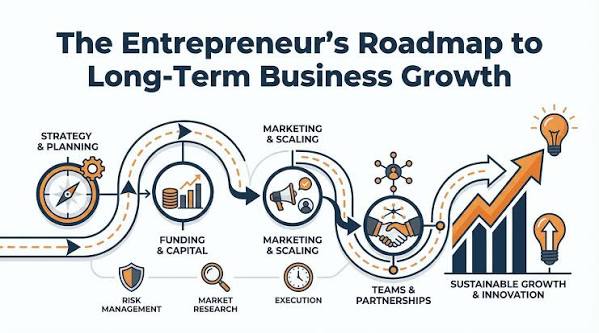
Building a million-dollar startup is not just about having a brilliant idea. It is about execution, discipline, timing, and the ability to make consistent strategic decisions over a long period of time. Many entrepreneurs assume that success comes from sudden breakthroughs or viral growth, but in reality, most high-value startups are built through steady progress, strong systems, and careful financial and operational planning.
A key part of that journey involves understanding the importance of company maintenance, which includes keeping the business legally compliant, financially organized, and operationally efficient as it grows. Without proper maintenance, even the most promising startup can collapse under the weight of mismanagement.
This article explores how entrepreneurs can build a million-dollar startup from the ground up, focusing on mindset, strategy, operations, scalability, and long-term sustainability.
Understanding What a Million-Dollar Startup Really Means
A million-dollar startup does not necessarily mean the founder becomes a millionaire overnight. In most cases, it refers to a business that reaches a valuation of at least one million dollars or generates significant annual revenue with strong growth potential.
This milestone is often achieved when a startup demonstrates consistent revenue, scalable operations, strong customer demand, and a clear path for expansion. Investors and stakeholders evaluate startups based on growth potential, market size, competitive advantage, and operational stability.
Reaching this level requires more than creativity. It requires structure, discipline, and a clear understanding of business fundamentals.
Starting With a Strong Business Idea
Every successful startup begins with an idea, but not every idea becomes successful. The difference lies in execution and market demand. A strong startup idea solves a real problem, serves a specific audience, and offers a better solution than existing alternatives.
Entrepreneurs should focus on identifying gaps in the market where customers are underserved or dissatisfied. These gaps often represent the biggest opportunities for innovation.
However, even a great idea is not enough on its own. It must be validated through research, testing, and early feedback from potential customers.
Validating the Market Before Scaling
One of the most common reasons startups fail is that they scale too quickly without validating demand. Market validation ensures that people are actually willing to pay for the product or service being offered.
This process involves understanding customer behavior, analyzing competitors, and testing minimum viable products. Early validation helps reduce risk and improves the chances of long-term success.
Startups that skip this step often burn through resources without achieving meaningful traction.
Building a Scalable Business Model
A million-dollar startup must be scalable. Scalability means the business can grow revenue without a proportional increase in costs.
Subscription-based models, digital products, software platforms, and automated services often scale more efficiently than traditional businesses.
Entrepreneurs must design systems that allow growth without overwhelming operational capacity. This includes automation, outsourcing, and efficient workflows.
Scalability is one of the most important factors investors consider when evaluating a startup’s potential.
Importance of Financial Discipline
Financial management is at the core of every successful startup. Entrepreneurs must track expenses, manage cash flow, and ensure that spending aligns with business growth.
Many startups fail not because they lack customers, but because they run out of money. Careful budgeting and financial forecasting help prevent this problem.
Startups should also reinvest profits strategically into areas that drive growth such as marketing, product development, and talent acquisition.
Strong financial discipline ensures that the business remains stable even during uncertain periods.
Role of Company Maintenance in Startup Success
As a startup grows, it becomes increasingly complex to manage. This is where company maintenance becomes essential.
Company maintenance includes all the ongoing activities required to keep a business legally compliant and operationally organized. This may involve updating legal documents, maintaining financial records, ensuring regulatory compliance, and managing administrative responsibilities.
Without proper company maintenance, startups risk legal penalties, operational inefficiencies, and loss of credibility with investors and customers.
Well-maintained companies are more attractive to investors because they demonstrate professionalism, transparency, and long-term stability.
Building a Strong Brand Identity
A million-dollar startup must stand out in a competitive marketplace. Branding plays a crucial role in shaping customer perception and trust.
A strong brand identity includes a clear mission, consistent messaging, recognizable visuals, and a compelling value proposition.
Customers are more likely to engage with businesses they recognize and trust. Branding helps create emotional connections that drive loyalty and repeat business.
Successful startups invest in brand development early to build recognition and credibility.
Customer Acquisition and Growth Strategies
Acquiring customers is one of the most important challenges for any startup. Without customers, even the best products cannot succeed.
Startups use a combination of organic and paid strategies to attract users. Digital marketing, search engine optimization, social media engagement, and referral programs are common methods.
However, customer acquisition must be cost-effective. Spending too much to acquire customers can reduce profitability and slow growth.
Startups should constantly analyze customer acquisition costs and optimize marketing efforts accordingly.
Leveraging Digital Marketing for Scale
Digital marketing is one of the most powerful tools available to modern startups. It allows businesses to reach global audiences with relatively low investment.
Content marketing, influencer partnerships, paid advertising, and email campaigns all contribute to growth when executed effectively.
The ability to reach targeted audiences quickly can accelerate revenue generation and brand awareness.
Startups that master digital marketing often achieve faster scalability and stronger market positioning.
Building a High-Performance Team
Behind every successful startup is a strong team. Founders cannot build million-dollar companies alone.
Hiring the right people is critical to scaling operations and maintaining quality. Startups should focus on hiring individuals who are adaptable, skilled, and aligned with the company’s vision.
A strong team culture promotes collaboration, innovation, and accountability. Employees who feel valued are more productive and committed to long-term success.
As startups grow, leadership becomes increasingly important in guiding teams and maintaining direction.
Technology as a Growth Engine
Technology plays a central role in modern startups. From automation tools to cloud computing and artificial intelligence, technology enables businesses to operate more efficiently and scale faster.
Startups that leverage technology effectively can reduce costs, improve productivity, and enhance customer experiences.
Investing in the right tools and platforms is essential for long-term success.
Technology also allows startups to compete with larger companies by increasing efficiency and reducing operational limitations.
Managing Risk and Uncertainty
All startups face risk. Market changes, competition, financial challenges, and operational issues can impact growth.
Successful entrepreneurs anticipate risks and prepare strategies to manage them. Diversifying revenue streams, maintaining emergency funds, and monitoring market trends are important risk management practices.
Company maintenance also plays a role in reducing risk by ensuring legal and operational compliance.
Startups that manage risk effectively are more likely to survive and thrive in competitive markets.
Importance of Customer Retention
While acquiring customers is important, retaining them is even more valuable. Loyal customers generate recurring revenue and reduce marketing costs.
Startups should focus on delivering excellent customer service, consistent product quality, and ongoing value.
Customer feedback should be used to improve products and services continuously.
Retention strategies contribute significantly to long-term profitability and stability.
Scaling Operations Strategically
Scaling a startup requires careful planning. Rapid growth without proper systems can lead to inefficiencies and operational breakdowns.
Startups must ensure that infrastructure, staffing, and processes can handle increased demand.
Automation and outsourcing can help manage growth effectively.
Strategic scaling ensures that expansion does not compromise quality or customer satisfaction.
Financial Growth and Revenue Expansion
A million-dollar startup must develop multiple revenue streams to ensure stability and growth.
This may include product diversification, subscription models, premium services, or strategic partnerships.
Revenue expansion should always align with the company’s core strengths and market demand.
Financial growth is a combination of increasing sales and maintaining profitability.
Leadership and Vision
Strong leadership is essential for building a successful startup. Founders must provide clear direction, inspire teams, and make strategic decisions.
Vision helps guide the company through challenges and keeps the team focused on long-term goals.
Good leaders also adapt to change and remain open to new ideas.
Leadership quality often determines whether a startup succeeds or fails.
Long-Term Sustainability
Building a million-dollar startup is not just about rapid growth. It is about sustainability.
Startups must focus on building systems that support long-term success. This includes financial stability, operational efficiency, customer loyalty, and regulatory compliance.
Company maintenance plays a critical role in sustainability by ensuring that the business remains organized, compliant, and professionally managed over time.
Sustainable startups are more attractive to investors and more resilient in changing markets.
Conclusion
Building a million-dollar startup requires more than a great idea. It requires execution, discipline, financial planning, strong leadership, and strategic growth.
Entrepreneurs must focus on validating ideas, building scalable models, managing finances, and developing strong teams. At the same time, they must prioritize branding, customer acquisition, and long-term sustainability.
A crucial but often overlooked factor is company maintenance, which ensures that the business remains legally compliant, operationally efficient, and ready for expansion.
Startups that combine innovation with structure and discipline are the ones most likely to achieve long-term success and reach million-dollar valuations.
Frequently Asked Questions
What does it take to build a million-dollar startup?
It requires a scalable business model, strong execution, financial discipline, market demand, and effective leadership.
Why do most startups fail?
Most startups fail due to poor financial management, lack of market demand, weak execution, and insufficient planning.
How important is company maintenance for startups?
Company maintenance is essential because it ensures legal compliance, operational efficiency, and investor confidence.
What is the best business model for startups?
Scalable models such as SaaS, digital platforms, subscription services, and e-commerce tend to perform well.
How can startups grow quickly?
Startups grow through effective marketing, customer acquisition strategies, product-market fit, and strong execution.
Why is branding important for startups?
Branding builds trust, recognition, and emotional connection with customers, helping increase loyalty and sales.
How do startups manage risk?
They manage risk through diversification, financial planning, market research, and maintaining operational stability.
What role does technology play in startups?
Technology improves efficiency, reduces costs, enables automation, and supports scalable growth.
How can startups improve customer retention?
By offering excellent service, consistent quality, and continuous product improvements based on feedback.
Can a startup become successful without investors?
Yes, many startups succeed through bootstrapping, strong revenue generation, and disciplined financial management.