
Introduction
A bathroom should be more than a place for everyday routines. It should be a comfortable, well-designed space where practical features meet personal style. Whether you are upgrading a compact cloakroom, renovating a family bathroom or planning a luxurious master ensuite, the right design can transform the way you experience your home.
Fitted Bathrooms offer an opportunity to make better use of available space while introducing attractive fixtures, coordinated finishes and thoughtful storage. However, achieving a high-quality result requires more than selecting a beautiful bath or shower. Professional planning, reliable materials and skilled installation all play an important role.
For homeowners in Telford, Shropshire, Wolverhampton and Stafford, a bespoke bathroom project can bring together modern design, traditional elegance and everyday functionality. With experienced Bathroom installers, every stage of the renovation can be carefully coordinated, from the first design ideas to the final finishing touches.
1. What Makes a Fitted Bathroom Different?
A fitted bathroom is designed around the dimensions, layout and requirements of a particular room. Instead of choosing individual products without considering how they work together, the entire space is planned as one connected design.
This approach can include:
- Bespoke vanity units and bathroom furniture.
- Carefully positioned showers, baths and toilets.
- Coordinated wall and floor tiling.
- Integrated storage solutions.
- Suitable lighting and electrical features.
- Practical plumbing and ventilation arrangements.
The purpose is not simply to fill the room with expensive products. A successful bathroom design ensures that each element has a clear function while contributing to a balanced overall appearance.
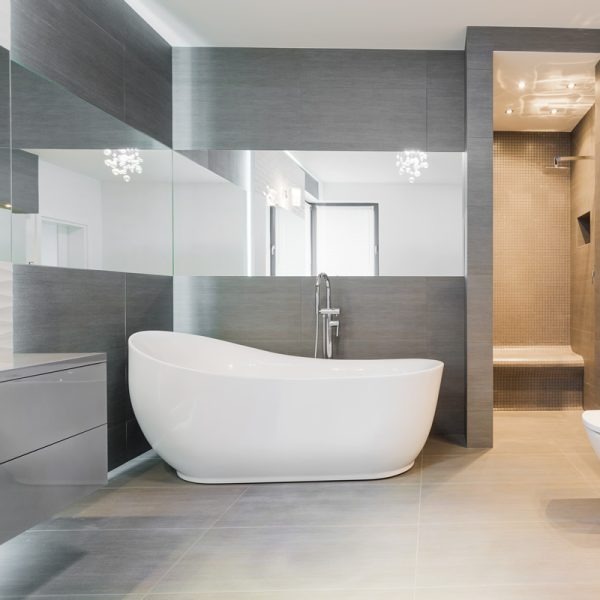
For example, a narrow bathroom might benefit from a wall-mounted vanity, a walk-in shower and recessed storage. A larger family bathroom could accommodate a freestanding bath, a double basin and additional storage for towels and toiletries.
The key is to design the bathroom around the homeowner, rather than forcing the homeowner to adapt to a standard layout.
2. Designing a Bathroom Around Your Lifestyle
Every household uses its bathroom differently. A busy family may need durable surfaces, generous storage and easy-to-clean fittings, while a couple might prioritise a relaxing shower area and a more luxurious atmosphere.
Before selecting fixtures, it is useful to consider how the room will be used each day.
Understanding Your Space
A professional design consultation begins with an assessment of the available room. The position of existing plumbing, windows, doors and electrical connections can affect the final layout. Accurate measurements help designers determine what is practical and where improvements can be made.
Even a small bathroom can feel more spacious when its layout is carefully planned. Large-format tiles, frameless shower screens, light finishes and floating furniture can help create a cleaner visual appearance.
However, design choices should always consider functionality. A visually attractive bathroom may become inconvenient if the shower door cannot open properly or if storage is insufficient.
Creating a Personal Style
Homeowners can choose from many design directions, including contemporary, minimalist, traditional and heritage-inspired interiors.
A modern fitted bathroom may feature:
- Clean architectural lines.
- Floating bathroom furniture.
- Concealed storage.
- Walk-in showers.
- Neutral tiles and understated finishes.
A traditional bathroom may instead use decorative sanitaryware, classic brassware, warm colours and textured details to create a timeless atmosphere.
There is no requirement to follow one trend. Combining suitable features from different styles can create a space that feels personal and complements the existing character of your home.
3. The Benefits of Investing in Fitted Bathrooms
Choosing a professionally designed bathroom can provide several practical and aesthetic advantages. The benefits depend on the quality of the design, installation and products selected.
Better Use of Available Space
One of the main advantages of bespoke bathroom design is the ability to use awkward or limited areas more effectively.
Standard furniture does not always fit the exact dimensions of a room. Customised layouts can help accommodate sloping walls, narrow corners and unusual room shapes.
A carefully selected vanity can provide useful storage without obstructing movement, while a wall-mounted toilet or concealed cistern may create a more streamlined appearance.
The objective is to make the bathroom comfortable to use, regardless of its size.
Improved Storage and Organisation
Clutter can quickly affect the appearance and practicality of a bathroom. Toiletries, cleaning products and towels need suitable places to be stored.
Integrated bathroom furniture, mirrored cabinets and recessed shelving can help keep frequently used items organised. By planning storage during the design stage, homeowners can avoid relying on temporary shelves or furniture that takes up unnecessary floor space.
Good storage is particularly valuable in family bathrooms, where several people may need access to everyday essentials.
A Consistent and Refined Appearance
A fitted bathroom allows different elements to be selected as part of one coordinated design. Tiling, furniture, taps, lighting and sanitaryware can work together instead of appearing disconnected.
Matching finishes can create a sense of continuity, while carefully chosen contrasting materials can introduce character.
For instance, soft neutral tiles combined with brushed brass fittings can produce a warm contemporary appearance. Alternatively, natural textures and classic ceramic fixtures can complement a more traditional interior.
Long-Term Practicality
Bathroom improvements should not focus only on how a room looks immediately after installation. Materials and fixtures must also be suitable for regular use.
Durable surfaces, reliable plumbing components and quality installation can help reduce the likelihood of avoidable problems. Proper sealing around wet areas, appropriate ventilation and correct drainage are particularly important for maintaining a bathroom over time.
Although premium products may involve a higher initial investment, homeowners should consider their durability, maintenance requirements and suitability for the room.
4. Why Professional Bathroom Installers Matter
A bathroom renovation often involves several different trades. Plumbing, tiling, electrical work, furniture fitting and finishing details must be coordinated to achieve a reliable result.
This is where experienced Bathroom installers can make a significant difference.
Coordinating Multiple Installation Requirements
Bathroom installation is not limited to fitting a basin or attaching a shower. Depending on the project, the work may involve modifying pipework, preparing walls and floors, installing lighting, fitting sanitaryware and completing decorative surfaces.
Professional installers can help ensure that the work is completed in an organised sequence. For example, plumbing and electrical requirements should be considered before walls are closed or final finishes are applied.
A coordinated approach can minimise unnecessary delays and reduce the risk of having to remove completed work to correct an earlier installation issue.
Attention to Detail
Small installation details can have a noticeable effect on the finished bathroom. Uneven tiles, poorly aligned furniture, inadequate sealing or incorrectly fitted fixtures may affect both appearance and performance.
Experienced installers pay attention to measurements, alignment, joints and finishing details. They should also explain the scope of work clearly, including which elements are being installed and whether additional building or preparation work is required.
Choosing a team that can manage the wider installation process may provide greater convenience than arranging multiple independent contractors without a coordinated plan.
5. Choosing Materials That Balance Style and Performance
The materials selected for a bathroom influence its appearance, cleaning requirements and long-term usability. A beautiful finish is valuable, but it must also be suitable for a room exposed to moisture and frequent use.
Tiles and Wall Finishes
Floor and wall tiles are among the most visible elements in a bathroom. Large-format tiles can create a spacious, contemporary look, while patterned or textured tiles can add visual interest.
When selecting flooring, homeowners should check that the product is appropriate for bathroom use and provides suitable slip resistance. Wall materials should also be compatible with the level of moisture they will encounter.
The right choice depends on the room’s ventilation, cleaning needs and overall design.
Bathroom Furniture and Sanitaryware
Vanities, basins, toilets and storage units should be chosen according to both available space and household requirements.
A compact vanity might work well in a cloakroom, whereas a larger double basin could be useful in a shared family bathroom. The dimensions of each product should be considered before purchase to ensure comfortable movement and access.
Quality bathroom furniture should also be installed with attention to moisture exposure and maintenance. Properly fitted units can support a more organised and cohesive interior.
6. Contemporary Luxury or Timeless Traditional Design?
A bathroom does not need to follow every current interior trend to feel luxurious. Lasting appeal often comes from a combination of appropriate proportions, quality materials and thoughtful details.
Contemporary Bathroom Interiors
Contemporary designs frequently use simple forms and uncluttered layouts. Floating furniture, walk-in showers and concealed storage can contribute to a calm and streamlined appearance.
Neutral colour palettes, continuous tiling and carefully positioned lighting may help create a modern atmosphere without making the room feel overly complicated.
This style is particularly suitable for homeowners who prefer a clean, understated interior.
Traditional and Heritage-Inspired Bathrooms
Traditional bathrooms offer a different design direction. Decorative sanitaryware, classic taps and warmer colour schemes can introduce character and complement period properties.
Heritage-inspired design does not mean sacrificing modern convenience. Contemporary plumbing systems, efficient showers and practical storage can be incorporated while maintaining a more classic visual style.
The most effective design is one that reflects the homeowner’s taste and works naturally with the surrounding property.
7. A Clear Bathroom Design and Installation Process
A successful renovation benefits from a structured process. Before work begins, homeowners should understand how the project will be planned and what to expect at each stage.
Initial Consultation and Measurements
The first step is to discuss the homeowner’s preferences, budget, space and practical requirements. Accurate measurements can then be used to assess possible layouts.
A showroom visit may also help homeowners explore different fixtures, tiles, furniture and finishes before making decisions.
Design Development
Once the requirements are understood, a bathroom design can be developed around the available space. Where offered, 3D design software can help homeowners visualise the proposed layout and compare different options.
This stage is an opportunity to review storage, sanitaryware positions, lighting and material choices before installation begins.
Installation and Finishing
After the design is approved, the installation team can coordinate the required work. This may include plumbing, electrical preparation, tiling, furniture fitting and the installation of bathroom fixtures.
A final inspection should check the appearance, functionality and finishing quality of the completed space. Homeowners should also receive relevant care and maintenance guidance where appropriate.
8. Selecting the Right Bathroom Installers in Your Area
Finding suitable Bathroom installers in Telford, Shropshire, Wolverhampton or Stafford requires more than comparing advertised prices.
Homeowners should consider the following factors before committing to a project:
- Relevant experience: Ask whether the team has completed bathrooms similar in size and style to yours.
- Design support: Check whether the company offers planning assistance, measurements or visual design services.
- Installation scope: Confirm whether plumbing, tiling, electrics and other required work are included.
- Materials and products: Discuss the quality, suitability and maintenance needs of the proposed fixtures.
- Written quotation: Request a clear breakdown of the work, materials and any potential additional costs.
- Previous projects: Review genuine examples of completed bathroom installations and ask about relevant references.
- Aftercare: Understand how installation issues or adjustments will be handled after completion.
A detailed discussion before work starts can help prevent misunderstandings and make the renovation process more manageable.
9. Why a Showroom Visit Can Help With Bathroom Planning
Online images are useful for collecting ideas, but visiting a bathroom showroom can provide a more practical understanding of the available options.
A showroom allows homeowners to see finishes, examine furniture proportions and compare different product combinations. It can also make it easier to identify the differences between materials that may look similar in photographs.
For a company offering bespoke bathroom design, a showroom appointment can be an opportunity to discuss room measurements, preferred styles and possible solutions with an experienced designer.
Whether you prefer a modern walk-in shower or a traditional bathroom with decorative fixtures, exploring products in person can support more informed design decisions.
Conclusion
A thoughtfully designed bathroom can improve everyday comfort, organisation and the overall appearance of a home. Fitted Bathrooms combine practical space planning with coordinated furniture, suitable materials and personalised styling, making them a flexible choice for both compact and spacious properties.
From contemporary interiors to heritage-inspired designs, homeowners can create a bathroom that reflects their lifestyle while meeting essential functional requirements. The quality of the final result also depends on the experience, coordination and attention to detail of the Bathroom installers involved.
If you are planning a bathroom renovation in Telford, Shropshire, Wolverhampton or Stafford, consider starting with a professional design consultation. By discussing your needs, exploring suitable materials and establishing a clear installation plan, you can take the first step towards a bathroom that is both attractive and practical for years to come.