
Introduction
Electric vehicles have changed the way people think about motoring. Without a conventional petrol or diesel engine, an electric car has fewer moving parts and different maintenance requirements. However, that does not mean owners can ignore routine servicing. Tyres, brakes, suspension, cooling systems, charging components and high-voltage electrical equipment all need appropriate attention to keep a vehicle safe and dependable.
For drivers in Shropshire, understanding these differences can make it easier to plan maintenance, recognise potential problems and choose the right garage. Specialist knowledge is particularly important when a vehicle develops an electrical fault or displays a warning that cannot be resolved through ordinary checks.
Why Electric Vehicles Need a Different Approach to Servicing
Traditional vehicles depend on engine oil, fuel filters, exhaust systems and numerous engine-related components. Battery-electric cars eliminate many of these requirements, but they introduce other systems that need specialist attention.
The high-voltage battery, electric motor, inverter and charging equipment work together to deliver power. Depending on the vehicle, additional systems regulate battery temperature, control cabin heating and manage energy consumption. A problem with one component can affect charging, driving range or overall performance.
This is why servicing an electric car involves more than checking its tyres and replacing worn parts. Technicians must understand the vehicle’s electrical architecture and follow appropriate safety procedures when inspecting high-voltage equipment.
Drivers looking for ev servicing Telford should therefore consider a garage with the relevant training, diagnostic equipment and experience of electric vehicles. Choosing a suitable specialist can help ensure that maintenance is based on the vehicle’s actual requirements rather than assumptions carried over from conventional cars.
Battery Health and Driving Range
The battery is one of the most important components of an electric vehicle. It stores the energy needed for driving, and its condition influences how much distance the car can cover between charges.
Battery performance can change over time because of age, usage patterns, temperature and charging habits. A gradual reduction in range does not automatically indicate a serious fault, but a sudden or unexplained change deserves attention.
Drivers can support battery health by following the manufacturer’s charging recommendations and avoiding unnecessary extremes where practical. It is also useful to understand how weather, heating, air conditioning and driving style affect the estimated range.
If the vehicle begins displaying battery warnings, charging becomes inconsistent or performance changes unexpectedly, professional assessment may be appropriate.
Specialist workshops can use diagnostic equipment to investigate battery-related issues and determine whether further testing or repairs are required. EAC Electric in Telford provides EV battery module inspections and repairs, helping identify possible solutions where a complete battery replacement may not be necessary.
The correct repair depends on the vehicle, the fault and the results of testing. A proper diagnosis is therefore an important first step before making decisions about expensive components.
Charging Problems Should Not Be Ignored
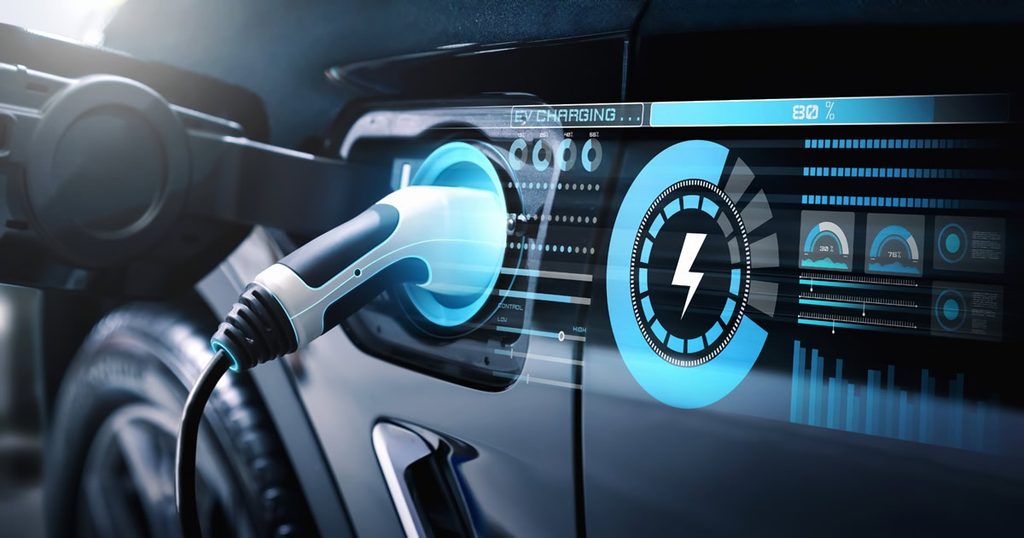
Reliable charging is essential for everyday electric vehicle ownership. Whether a driver charges at home, at work or at public charging points, a problem with the charging process can quickly disrupt normal travel plans.
Some charging difficulties are caused by external factors, such as a faulty charging point, an unsuitable power supply or a damaged cable. Others may originate within the vehicle itself.
Possible warning signs include:
- Charging sessions stopping unexpectedly.
- Charging taking considerably longer than usual under comparable conditions.
- The vehicle failing to recognise a connected charging cable.
- Charging warnings appearing on the dashboard.
- A charging connector or related component showing visible damage.
Owners should avoid assuming that every charging problem means the battery has failed. The cause could involve the charge port, onboard charger, electrical connections, software or external charging equipment.
A specialist diagnostic assessment can help narrow down the cause and identify an appropriate repair. EAC Electric offers charging system diagnostics and repairs for issues involving charging ports, onboard chargers, cables and associated components.
If a cable or connector appears damaged, unusually hot or otherwise unsafe, stop using it and seek appropriate professional advice rather than attempting an electrical repair yourself.
Tyres, Brakes and Suspension Still Matter
Electric vehicles may require less routine maintenance than some conventional cars, but their tyres and braking systems remain essential safety items.
Many EVs are heavier than comparable petrol vehicles because of their battery packs. Instant torque can also place additional demands on tyres, particularly when a driver accelerates frequently. Incorrect tyre pressures, uneven wear and unsuitable replacement tyres can affect grip, comfort and efficiency.
Regularly checking tyre condition and pressure helps drivers identify problems before they become more serious. Uneven wear may also indicate that wheel alignment needs attention.
Brakes deserve consideration as well. Regenerative braking allows an electric motor to recover some energy as the vehicle slows down. Because the conventional friction brakes may be used less frequently in certain driving conditions, their condition should not be overlooked.
Brake inspections can help identify corrosion, worn components or other issues that may affect braking performance. Suspension and steering components should also be assessed when there are unusual noises, vibration, pulling to one side or changes in handling.
When arranging electric car servicing Telford, owners should ask whether the proposed service includes appropriate checks of tyres, brakes and other roadworthiness-related items. The precise work required will depend on the vehicle manufacturer’s maintenance schedule and the car’s current condition.
Software, Sensors and Diagnostic Equipment
Modern electric cars rely heavily on electronic control systems. These systems manage charging, power delivery, battery monitoring, driver assistance features and many other functions.
A dashboard warning may therefore require more than a visual inspection. Specialist diagnostic tools can retrieve fault information and help technicians investigate the systems involved.
Software-related issues can sometimes affect how components communicate or operate. Depending on the fault and vehicle, diagnosis may involve checking stored error codes, examining relevant system data or carrying out appropriate programming procedures.
Advanced Driver Assistance Systems also require attention after certain repairs or changes. Cameras, radar equipment and other sensors help support functions such as parking assistance and lane monitoring. Where calibration is required, it should be completed using suitable procedures and equipment.
EAC Electric provides EV diagnostics, software programming support and ADAS checks and calibration. These services can help address issues that are difficult to investigate through routine mechanical inspection alone.
Drivers should not ignore persistent warning lights simply because the vehicle continues to operate normally. Some warnings indicate a developing problem that requires timely assessment.
Heating and Air Conditioning in Electric Cars
Climate control is another important part of electric vehicle maintenance. Unlike a conventional car that can use waste engine heat for cabin warming, an EV may use electric heating systems or heat pump technology, depending on the model.
Heating and air conditioning can affect both passenger comfort and energy consumption. A malfunctioning system may cause poor cabin temperature control, ineffective demisting or unusual noises.
Because climate control components can interact with the vehicle’s electrical and thermal management systems, the source of a fault may not always be obvious.
Professional inspection can help determine whether the problem relates to refrigerant, sensors, electrical controls, heating components or another part of the system.
Maintaining effective demisting is especially important in colder and wetter weather, when clear windows are necessary for safe driving. Owners should arrange an inspection if the climate system stops working properly or cannot maintain a comfortable cabin temperature.
Can EV Repairs Be More Affordable Than Replacing Components?
One concern for electric vehicle owners is the potential cost of repairing complex electrical equipment. High-voltage batteries and related components can be expensive, so understanding the available repair options matters.
However, the most expensive solution is not automatically the only solution. Depending on the fault, a technician may be able to repair an individual component or battery module instead of replacing a larger assembly.
Component-level repairs require specialist knowledge, suitable equipment and a careful assessment of the vehicle. They are not appropriate for every fault, and safety must remain the priority.
EAC Electric focuses on repair solutions for EV batteries and high-voltage components, aiming to avoid unnecessary replacement where a safe, technically appropriate repair is possible.
An informed decision should consider the diagnostic findings, the condition of the affected component, the expected repair cost and any relevant manufacturer requirements. Drivers should request a clear explanation of the fault and proposed work before authorising a major repair.
Choosing an EV Specialist in Telford
Not every garage has the same equipment or training for electric vehicle maintenance. When comparing service providers, it is worth looking beyond price alone.
Consider whether the garage has technicians trained to work on high-voltage systems, access to appropriate diagnostic tools and experience with your vehicle’s make and model. Clear communication is also valuable, particularly when a fault involves several possible causes.
Ask what a service includes, whether additional diagnostic work may be needed and how the garage will explain any recommended repairs. It is also sensible to check the manufacturer’s service requirements and confirm how any proposed work relates to the vehicle’s warranty.
EAC Electric is a specialist EV repair and servicing centre based at Unit A, Halesfield 13, Telford, Shropshire, TF7 4PL. Its services include EV diagnostics, battery module repairs, charging system repairs, air conditioning, MOT testing, tyre services and wheel alignment.
The workshop also works with electric vehicles from manufacturers including Tesla, BMW, Porsche, Jaguar and Range Rover. Owners should confirm the availability of the particular service required for their model when booking.
A Practical Maintenance Routine for EV Owners
A simple maintenance routine can help drivers spot issues early and keep their vehicles ready for everyday journeys.
First, follow the maintenance schedule recommended by the vehicle manufacturer. Electric cars still have model-specific requirements, and service intervals can vary.
Second, pay attention to changes in driving range, charging behaviour, dashboard warnings and cabin heating. Recording when a problem first appears may help a technician investigate it more efficiently.
Third, check tyre pressures and visible tyre condition regularly. Arrange professional inspections if you notice uneven wear, steering changes or unusual vibration.
Finally, do not attempt to repair high-voltage components yourself. These systems can present serious electrical hazards, even when a vehicle is switched off. Diagnosis and repairs should be handled by appropriately trained professionals using the correct safety procedures.
Conclusion
Electric cars have different maintenance needs from conventional vehicles, but regular attention remains essential for safe and reliable motoring. Battery health, charging equipment, tyres, brakes, software and climate control can all influence the ownership experience.
For drivers seeking ev servicing Telford, choosing an experienced specialist can make it easier to identify faults accurately and understand the available repair options. EAC Electric provides a range of EV maintenance, diagnostic and repair services designed around the specific requirements of electric vehicles.
If your car has developed a charging issue, displayed a warning light or is due for routine maintenance, visit EAC Electric to explore its services and arrange an appointment. Taking a proactive approach to maintenance can help you address concerns early and enjoy greater confidence behind the wheel.