
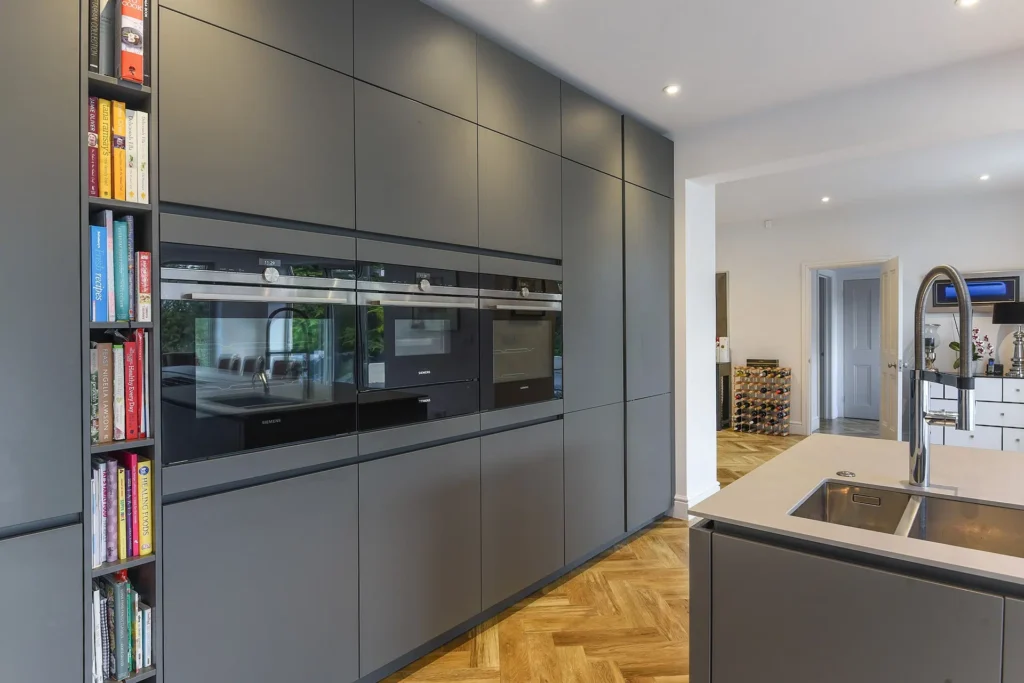
The modern kitchen has evolved into much more than a place where meals are prepared. Today, it serves as a central gathering space where families connect, guests are entertained, and everyday life unfolds. As a result, homeowners are placing greater emphasis on creating kitchens that are not only functional but also visually appealing. Design considerations that were once reserved for living rooms and bedrooms are now influencing the way kitchens are planned and furnished.
This shift has significantly impacted the role of kitchen appliances. Rather than being viewed as purely practical tools, appliances are increasingly becoming part of the overall design aesthetic. Homeowners want products that complement their interior style while delivering reliable performance. When planning a contemporary kitchen, many consumers compare products from manufacturers including Ciarra One to find solutions that match their needs. This growing focus on design has transformed the way people select and integrate appliances into their homes.
Why Appliance Design Matters in Today’s Kitchens
Appliance design has become an important aspect of creating a cohesive and attractive kitchen environment. Modern homeowners often invest considerable time selecting cabinetry, countertops, and flooring, and they expect appliances to contribute positively to the overall appearance of the space.
A cohesive design creates a sense of harmony throughout the kitchen. Matching finishes, coordinated colors, and streamlined appliance profiles help create a polished and sophisticated look. This attention to detail can make even smaller kitchens feel more organized and visually appealing.
Appliance design also reflects changing lifestyles. Many people spend more time at home than ever before, making comfort and aesthetics increasingly important. Well-designed appliances can enhance the daily cooking experience while supporting the overall atmosphere of the home.
There is also a practical benefit. Attractive kitchens often remain desirable over time and can contribute positively to the overall appeal of a property. While functionality remains essential, design has become an equally important factor in appliance selection.
The Rise of Minimalist Kitchen Trends
Minimalism continues to be one of the most influential trends in modern kitchen design. Homeowners are increasingly drawn to clean lines, uncluttered spaces, and simple yet elegant layouts that create a sense of calm and order.
This design philosophy has encouraged the adoption of integrated storage solutions and streamlined appliances that blend naturally into their surroundings. Rather than allowing appliances to dominate the room, many modern kitchens are designed to create a seamless visual flow where every element works together harmoniously.
Handleless cabinetry, concealed storage, and neutral color palettes are all examples of how minimalist principles are shaping kitchen spaces. Appliances are following the same trend, with manufacturers focusing on sleek profiles, refined finishes, and designs that complement contemporary interiors.
The popularity of minimalism reflects a broader desire for spaces that feel open, organized, and easy to maintain. As a result, appliance design is becoming increasingly focused on simplicity without sacrificing performance.
How Ventilation Solutions Have Become Design Features
Kitchen ventilation was once considered purely functional. Homeowners typically selected ventilation systems based on extraction performance without paying much attention to appearance. Today, that approach has changed significantly.
As kitchens become more integrated with living spaces, ventilation systems have become highly visible design elements. Homeowners now want solutions that support indoor air quality while also enhancing the visual appeal of the kitchen.
Manufacturers have responded by developing ventilation products that feature modern materials, elegant finishes, and innovative designs. These products are designed to complement cabinetry, lighting, and overall kitchen layouts rather than stand apart from them.
One design trend that continues gaining attention is the angled cooker hood, which combines effective ventilation with a sleek appearance that complements contemporary kitchen layouts.
Its distinctive design helps create a modern look while supporting practical cooking needs. This combination of performance and aesthetics reflects the growing expectation that kitchen appliances should contribute positively to both functionality and interior design.
Balancing Style and Functionality in Appliance Selection
While appearance has become increasingly important, homeowners still expect appliances to perform efficiently. The most successful appliance designs are those that achieve a balance between visual appeal and everyday functionality.
Performance remains a top priority. Cooking appliances, ventilation systems, and refrigeration units must meet practical requirements while supporting daily household activities. Homeowners often seek products that provide reliable operation without adding complexity to their routines.
Visual integration is equally important. Appliances that blend naturally with surrounding materials and finishes help create a more cohesive kitchen environment. Coordinated design choices can make the entire space feel more intentional and refined.
Space efficiency also plays a role. As kitchens continue evolving to support multiple functions, homeowners appreciate appliances that maximize usability without overwhelming the available space. Modern appliance design increasingly focuses on delivering strong performance within streamlined and compact formats.
Popular Appliance Trends Shaping Modern Homes
Several appliance trends are influencing contemporary kitchen design. Smart technology continues to gain popularity as homeowners look for ways to simplify daily tasks through connected features and intuitive controls.
Energy efficiency is another major focus. Consumers are becoming more aware of energy consumption and are actively seeking appliances that help reduce utility costs while supporting sustainability goals. Manufacturers are responding with products designed to deliver high performance while minimizing environmental impact.
Compact and multifunctional appliances are also becoming more common, particularly in urban environments where space is limited. These products help homeowners maximize functionality without sacrificing valuable kitchen space.
Premium finishes are another growing trend. Matte surfaces, stainless steel accents, and sophisticated color options allow homeowners to personalize their kitchens while maintaining a modern and polished appearance.
What Homeowners Should Consider When Choosing Kitchen Appliances
Selecting the right kitchen appliances requires careful consideration of both practical and design-related factors. Kitchen size and layout should always be evaluated first to ensure appliances fit comfortably within the available space.
Design compatibility is equally important. Appliances should complement existing cabinetry, countertops, and decorative elements to create a cohesive overall appearance. Choosing products that align with the home’s design style can help achieve a more balanced and attractive kitchen.
Homeowners should also consider maintenance requirements and long-term durability. Investing in quality appliances can contribute to better performance and greater satisfaction over time.
Energy efficiency, lifestyle needs, and daily cooking habits should also influence purchasing decisions. Taking a comprehensive approach helps ensure that selected appliances support both current and future requirements.
The Future of Kitchen Appliance Design
Kitchen appliance design is expected to continue evolving as technology and consumer preferences change. Personalization is likely to become increasingly important, with homeowners seeking products that reflect their individual lifestyles and design preferences.
Smart home connectivity will continue expanding, allowing appliances to integrate more seamlessly with broader household systems. Enhanced automation and intuitive controls may further improve convenience and efficiency.
Sustainability will also remain a key focus. Manufacturers are investing in environmentally responsible materials and energy-saving technologies that support long-term sustainability goals.
As kitchens continue functioning as central living spaces, appliance design will increasingly focus on creating products that integrate naturally into modern homes while enhancing both usability and visual appeal.
Conclusion
Appliance design has become an essential part of modern kitchen planning. Homeowners now expect appliances to contribute to the overall appearance of their kitchens while delivering reliable performance and everyday convenience.
From minimalist aesthetics and integrated layouts to innovative ventilation solutions and smart technologies, appliance design is influencing how kitchens look and function. By carefully selecting products that balance style and practicality, homeowners can create spaces that are both visually appealing and highly functional. As design trends continue evolving, appliances will remain at the center of creating kitchens that support modern living while reflecting personal style.